






Service and Support
Technical Support
Service Philosophy
Customer first, service foremost
-
Customer needs as the driving force for innovation
-
Customer issues as the top priority in our work
-
Customer evaluation as the core standard
-
Within 2H
Receive requests and ensure prompt response.
-
Within 24H
Arrive on-site and deliver services.
-
6 Major
Nationwide coverage across 6 strategic regions, each staffed with dedicated technical professionals.

-

Technical Support
 Nationwide Coverage
Technical service personnel cover 6 major regions nationwide
Service PersonnelProfessional technical team, tempered by years in the industry, with extensive work experience
Technical SupportPrecise, efficient, comprehensive, and personalized
Service AreasClinical applications, experimental protocols, technical issues, and instrument maintenance
-
Provide Technical Training
-


Training Services
Ensure professional customer operation
Standardization and normalization
-

Training System
Following the training system of the provincial clinical laboratory center
Bio-Germ Senior Technical Engineer
Conducting hands-on practical training
-

Nationwide Coverage
Theoretical explanation
Practical drills
Quality control
Laboratory management, etc.
-
Quality Assurance
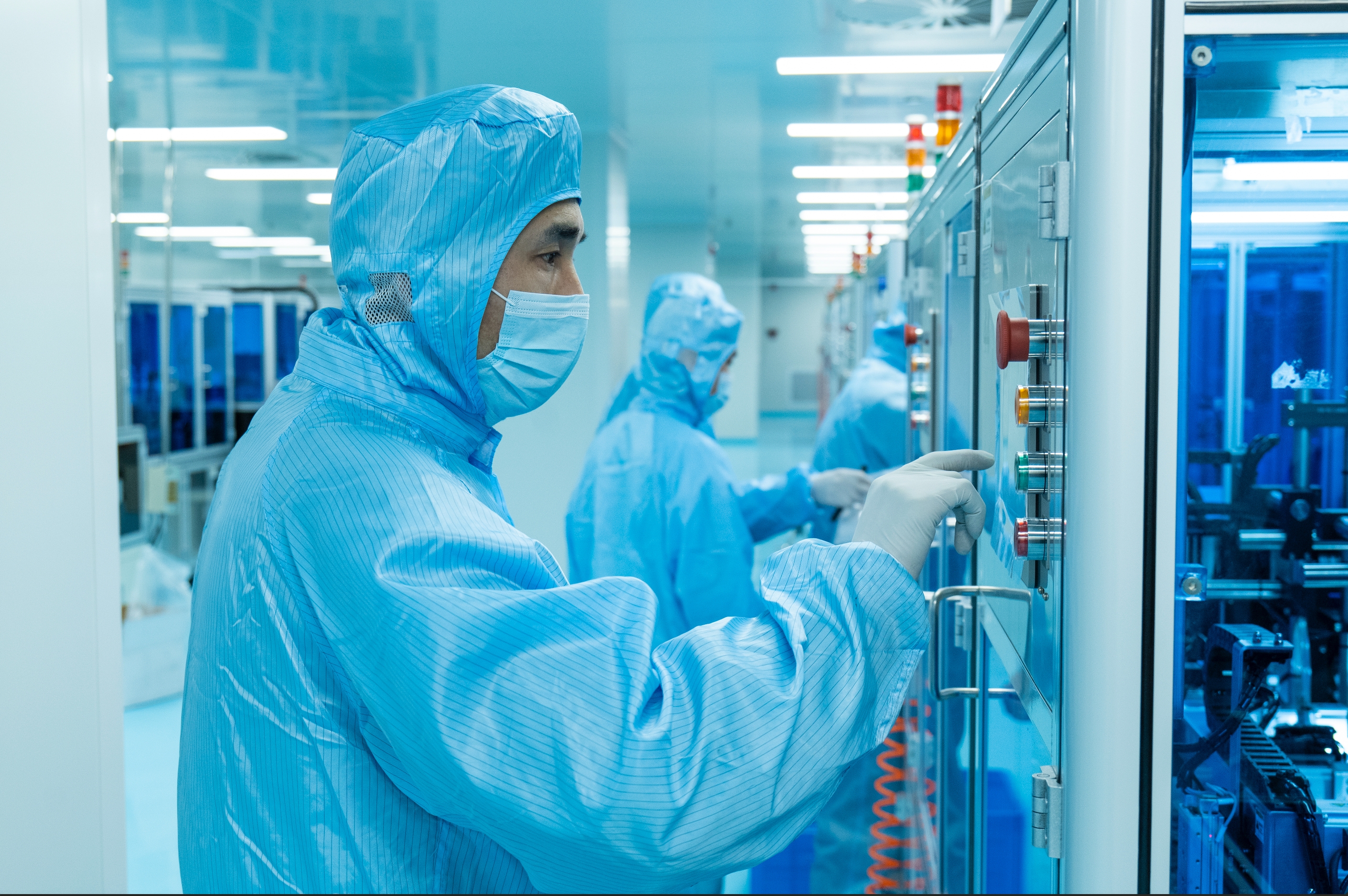
Production Management System
Adhere to "Total Quality Management" requirements, implement "Product Full Lifecycle Quality Management"



Quality is of paramount importance
Certified by SGS for ISO13485:2016 quality management system

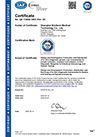
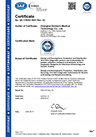
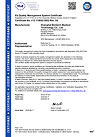
Promote quality and efficiency improvement



Intelligent Manufacturing Upgrade
-
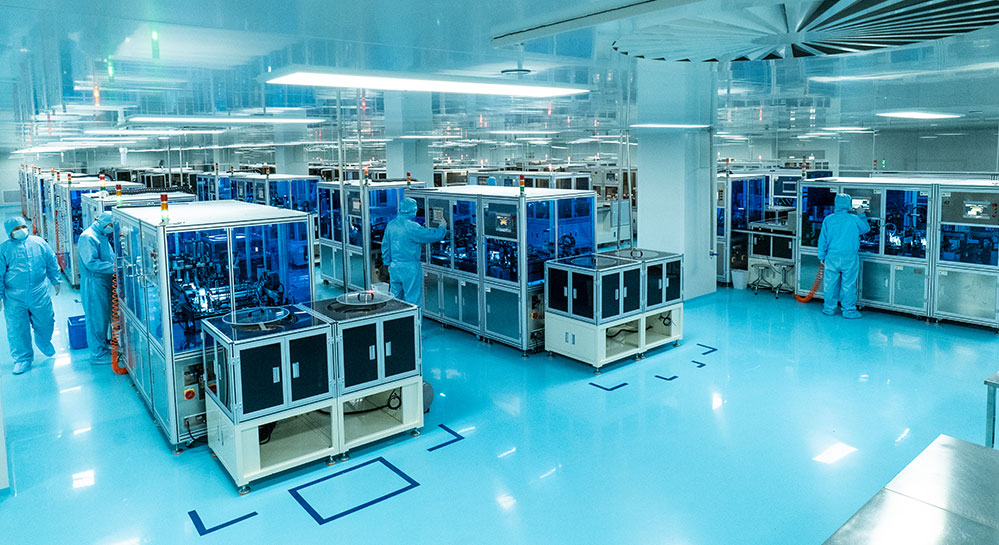

Highly efficient and fully automated
Highly efficient and fully automated
Automated immuno-colloidal gold production line
-
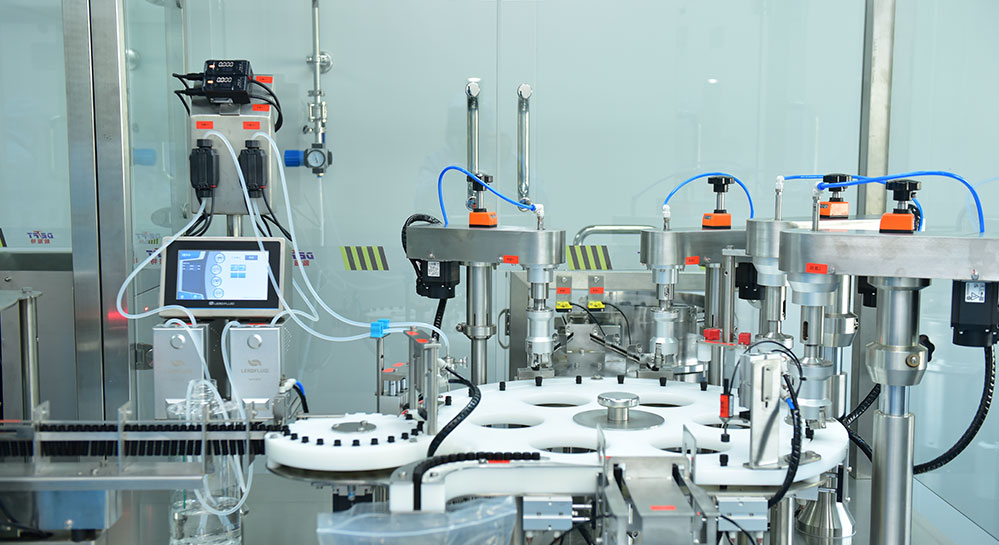

Refined production management and control
Refined production management and control
Automated nucleic acid detection reagent production line
-
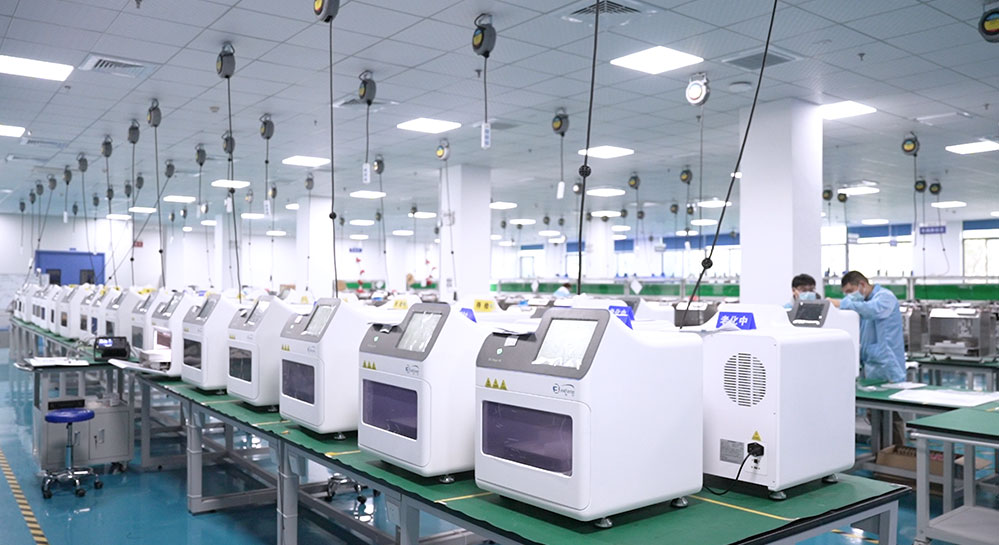

High precision and large-scale
High precision and large-scale
Large-scale instrument production line

Academic Sharing

FAQ
-
Q.
What should be done if amplification product contamination occurs in the laboratory?
If amplification products leak and cause laboratory contamination, the consequences will be very severe. To eliminate contamination, the most critical step is to maintain proper ventilation to ensure that amplification product fragments can diffuse out smoothly. Secondly, dilute acid treatment can be applied, and suspected utensils should be wiped or soaked with chlorine-containing disinfectants. Thirdly, UV irradiation can be used, with the UV wavelength (nm) typically set at 254/300 nm. It should be noted that when choosing UV to eliminate residual PCR product contamination, the length of the PCR product and the base distribution within the product sequence must be considered; UV irradiation is only effective for long fragments above 500 bp and has little effect on short fragments.
Tip: After ventilation, you can spray the entire laboratory with clean water mist to increase humidity and promote the settling of nucleic acid aerosols. Then, perform a comprehensive cleaning of the laboratory floor and equipment. Repeating this 2-3 times a day for 2-3 consecutive days can rapidly resolve aerosol contamination issues.
-
Q.
What should be done if the PCR instrument suffers a sudden power failure during operation?
We generally recommend equipping the laboratory with a UPS power supply to ensure normal power delivery during PCR instrument operation, thereby safeguarding program execution. If a sudden power failure occurs while the PCR instrument is running, and the instrument features power-failure protection, the program can be resumed directly within 1-2 hours. If the laboratory lacks a UPS power supply, it is recommended to repeat the experiment before re-running it on the instrument to ensure the authenticity of the experimental results.
-
Q.
How to determine whether an amplification curve is good?
The inflection point of the curve is clear, particularly with a distinct exponential phase for low-concentration samples. The overall parallelism of the amplification curves is good, and the baseline remains flat with no upward drifting. The exponential phase of low-concentration samples is pronounced.
The slope of the curve's exponential phase is proportional to the amplification efficiency; the steeper the slope, the higher the amplification efficiency.
A standard baseline is flat or slopes slightly downward, with no obvious upward trend.
Good parallelism among the amplification curves of different tubes indicates that the amplification efficiencies across the reaction tubes are similar.
-
Q.
What causes upward or downward spikes in the amplification curve?
Amplification curve anomalies due to unstable instruments (possibly caused by sudden power failures or voltage fluctuations)
If the spike points downward, it may be due to halogen lamp aging, leading to an unstable emission light source (referring to the exciter of the tungsten halogen lamp source).
If a spike occurs in a single well, in addition to considering instrument or well-specific issues, check whether bubbles in the reaction system caused the anomaly.
-
Q.
How to handle self-test errors (linearity issues) or a self-test CV out of range during glycation equipment installation?
For newly installed instruments, this issue is relatively common. The main cause is typically unpurged bubbles inside the tubing, which lead to large fluctuations in the AD value. You can read the AD value in the "Menu - Debugging - Optical Debugging" interface to check it. Alternatively, you can run several samples sequentially to eliminate bubbles during the testing process, and then read the AD value again. At this point, the fluctuations should be minimal, allowing you to click "Ignore Fault" or "Modify Fault." The alarm for this fault will no longer be triggered, and subsequent routine testing can proceed normally.